What Is BPC-157? The Science Behind the Most-Studied Healing Peptide
BPC-157 is a 15-amino-acid synthetic peptide derived from a protein found in human gastric juice. This page explains its origin, mechanism of action, and why it has generated over 30 years of research interest.
Major effect categories reported across the BPC-157 literature.
Tendon & joint repair
Strongest evidence in connective-tissue healing models.
Gut lining integrity
Originally derived from gastric juice — strong GI mucosa effects.
Soft-tissue recovery
Studied in crushed-muscle and traumatic ligament-injury rat models.
Neuroprotective signals
Reported CNS-protective effects in ischemia models.
Favorable safety profile
No serious adverse events at common research doses in animal data.
Research-grade only
Not approved for human consumption. Sold for in-vitro use.
Top sources for 2026
Vendors that publish per-batch COA and ship globally.
Best Seller
Whatisbpc157
BPC-157 Capsules (500mcg)
(50)
Our BPC-157 Capsules represent the pinnacle of peptide engineering, utilizing a stabilized salt form that ensures maximum effectiveness. BPC-157 is a synthetic peptide consisting of 15 amino acids, modeled after a protective protein found in the human stomach. The science behind
Chronic physical strain often leads to mental burnout, as the body and brain are deeply interconnected. BPC-157 Capsules are becoming a favorite for those struggling with the exhaustion that comes from overtraining or high-stress environments. By modulating the body’s response to
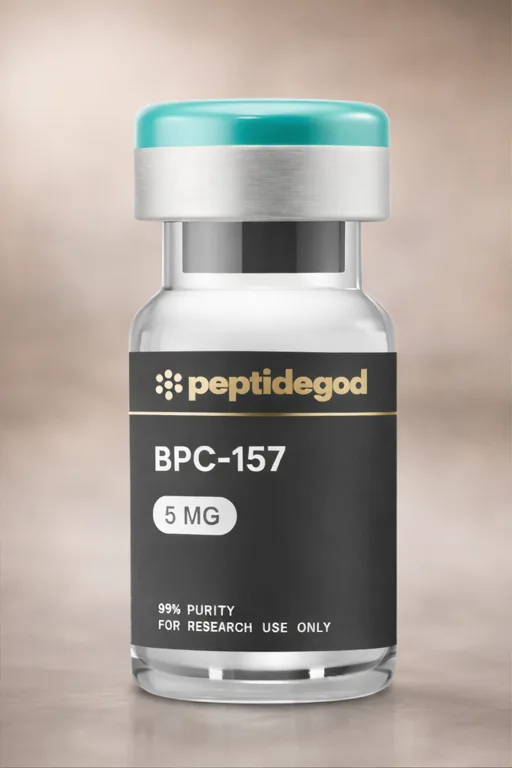
Quality is the most critical factor in peptide therapy, and our BPC-157 Vials are manufactured to meet the highest laboratory standards. Each batch of our lyophilized powder undergoes rigorous High-Performance Liquid Chromatography (HPLC) testing to confirm a purity level of at l
Recovering from surgery is often a race against time and inflammation. BPC-157 Vials are an essential tool for those looking to win that race by significantly shortening the post-operative healing window. BPC-157 has been shown to accelerate the healing of surgical incisions and
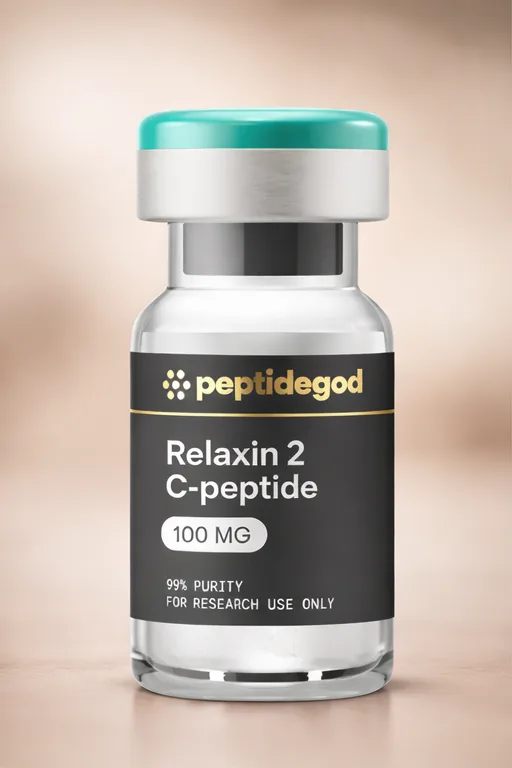
Study the intricate world of tissue architecture with Human Relaxin 2 C-peptide (56-129). This peptide is a primary tool for scientists researching how the body maintains and repairs the extracellular matrix. By targeting fibroblast activity, Relaxin 2 C-peptide helps researchers
Human Relaxin 2 is an increasingly popular tool for researching systemic anti-inflammatory responses and immune modulation. This peptide is studied for its ability to reduce pro-inflammatory cytokines such as TNF-alpha and IL-6, helping to soothe the inflammatory cascades that le
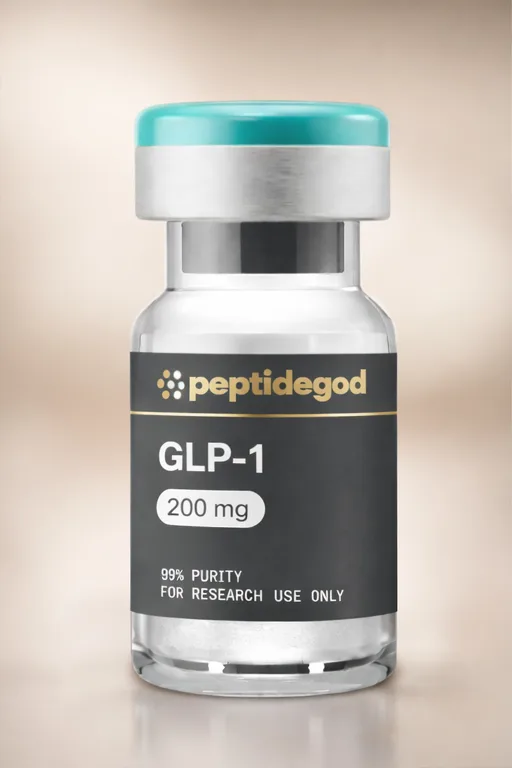
GLP-1 (Human, Rat, Mouse, Porcine, Bovine, Canine, Ovine)
(52)
Optimized for agricultural and veterinary research, Bovine GLP-1 is used to study the metabolic and endocrine health of cattle. This peptide is critical for researchers investigating ruminant glucose metabolism, milk production, and systemic energy balance. Our lyophilized vials
BPC-157 itself is a synthetic peptide—it does not exist in this exact form naturally. However, it is derived from a larger protein (body protection compound) that is found in human gastric juice. The 15-amino-acid sequence was isolated, identified, and synthesized by researchers studying gastric mucosal protection mechanisms.
How is BPC-157 different from other healing peptides like TB-500 or GHK-Cu?
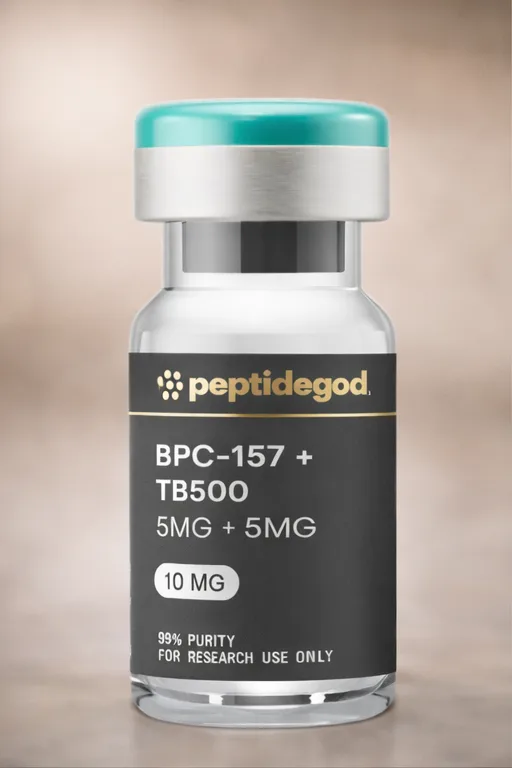
TB-500 (Thymosin Beta-4) primarily works through actin upregulation and cell migration. GHK-Cu is a copper-binding tripeptide that affects gene expression broadly. BPC-157 is more focused on tissue repair via angiogenesis and the FAK-paxillin signaling cascade. They have complementary mechanisms, which is why they are often stacked together.
Why hasn't BPC-157 been approved as a drug if it works so well?
Pharmaceutical development is expensive and patent-protected profits drive investment. BPC-157 is a naturally-derived peptide sequence that cannot be easily patented in its basic form. Without exclusivity, pharmaceutical companies have little financial incentive to fund the large-scale human trials required for FDA approval—even if the science is promising.
What is the difference between BPC-157 and BPC-157 Arginate salt?
BPC-157 Arginate (also called BPC-157 acetate with arginine, or stable BPC-157) is a salt form that is more stable at room temperature. Standard BPC-157 (acetate form) degrades faster and must be kept cold. The arginate salt is claimed to have equivalent bioactivity with better shelf stability. Research mostly uses the standard acetate form.
Ready to pick a vendor?
Vetted list with per-batch COA and global shipping.
 30 capsules.webp)
 60 capsules.webp)