BPC-157 Explained Simply
What Is BPC-157?
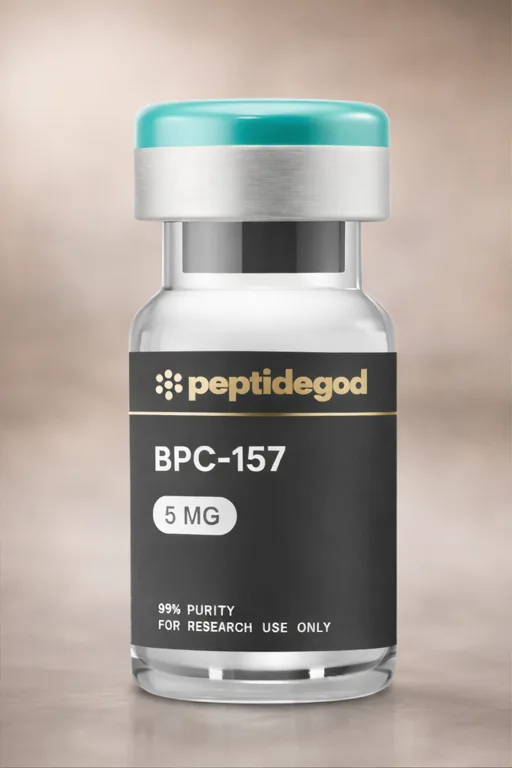
If you have spent any time in research circles focused on tissue repair and recovery, you have likely encountered the question: what is bpc 157? BPC-157 is a synthetic peptide composed of 15 amino acids, derived from a naturally occurring protein found in human gastric juice called Body Protection Compound. Researchers designated it BPC-157 to reflect both its origin and its sequential isolation during experimentation. Unlike many peptides that occur abundantly in the body, BPC-157 exists only in trace amounts naturally, which is why the synthetic version has attracted significant scientific interest for controlled research settings.
The peptide's amino acid sequence is stable compared to many other bioactive peptides, meaning it resists breakdown in the gastrointestinal environment more effectively. This property has made it a useful subject for studying how peptides might act systemically after administration by various routes, including oral, subcutaneous, and intramuscular delivery in animal models.
How Researchers Believe BPC-157 Works
Understanding what is bpc 157 at a mechanistic level requires looking at the signaling pathways it appears to influence in preclinical studies. The primary area of interest is its interaction with the nitric oxide system. Nitric oxide plays a central role in blood vessel regulation, and BPC-157 appears to upregulate nitric oxide synthesis in damaged tissue. This effect is thought to promote angiogenesis, the formation of new blood vessels, which is a critical early step in wound healing and tissue regeneration.
Beyond vascular effects, BPC-157 has been studied for its apparent influence on growth hormone receptor expression, particularly in tendon fibroblasts. Tendons are notoriously slow to heal due to limited blood supply, and research in rodent models has shown accelerated tendon-to-bone healing following BPC-157 administration. Researchers have also noted effects on the cytokine environment at injury sites, with observations suggesting reduced pro-inflammatory signaling during acute injury phases.
Gut and Mucosal Research
Because BPC-157 originates from gastric juice, a substantial portion of the existing literature examines its effects on gastrointestinal tissue. Animal studies have explored its potential in contexts ranging from inflammatory bowel conditions to gastric ulcer models, consistently noting accelerated mucosal healing. The peptide appears to influence the expression of several growth factors relevant to gut lining integrity, including EGF and VEGF pathways.
What the Current Research Covers
The bulk of published BPC-157 research consists of in vitro cell studies and in vivo rodent models. These studies span a range of tissue types: muscle, tendon, ligament, bone, nerve, and gastrointestinal mucosa. Across these models, the consistent theme is accelerated structural repair and reduced markers of oxidative stress at injury sites.
- Tendon and ligament healing models in rats and rabbits
- Gastric ulcer and inflammatory bowel disease animal models
- Muscle crush injury and surgical wound closure studies
- Peripheral nerve repair and spinal cord injury models
- Bone fracture healing and cartilage repair investigations
It is worth noting that peer-reviewed human clinical trials on BPC-157 remain limited as of current available data. Most findings originate from animal studies, which means extrapolating results to human physiology requires caution. The research community continues to call for controlled human trials to determine appropriate dosing windows, bioavailability by route, and long-term safety profiles.
BPC-157 in the Context of Peptide Research
For researchers asking what is bpc 157 in relation to other studied peptides, it occupies a distinct niche. Unlike peptides that target a single receptor with high specificity, BPC-157 appears to act through multiple overlapping pathways simultaneously. This pleiotropic profile makes it scientifically interesting but also more complex to study cleanly. Its stability at room temperature and relatively low molecular weight have made it a practical subject for laboratory research protocols.
BPC-157 is classified as a research peptide and is not approved by regulatory agencies such as the FDA for therapeutic use in humans. It is available through research chemical suppliers for laboratory and investigational purposes. Any research involving BPC-157 should be conducted within appropriate institutional and regulatory frameworks.
Key Takeaways for Research Contexts
BPC-157 is a 15-amino-acid synthetic peptide with a well-documented preclinical research profile spanning multiple tissue types. Its proposed mechanisms center on nitric oxide modulation, angiogenesis promotion, and growth factor receptor upregulation. The existing animal literature is extensive and methodologically consistent in reporting tissue-repair-associated outcomes. Human data remains sparse, making it an active area of interest for researchers seeking to understand how these preclinical signals might translate. For any investigator or institution exploring peptide-based repair biology, BPC-157 represents one of the more thoroughly characterized compounds in the current research landscape, while still carrying the uncertainties inherent to any compound that has not yet completed the clinical trial pipeline.
 30 capsules.webp)
 60 capsules.webp)