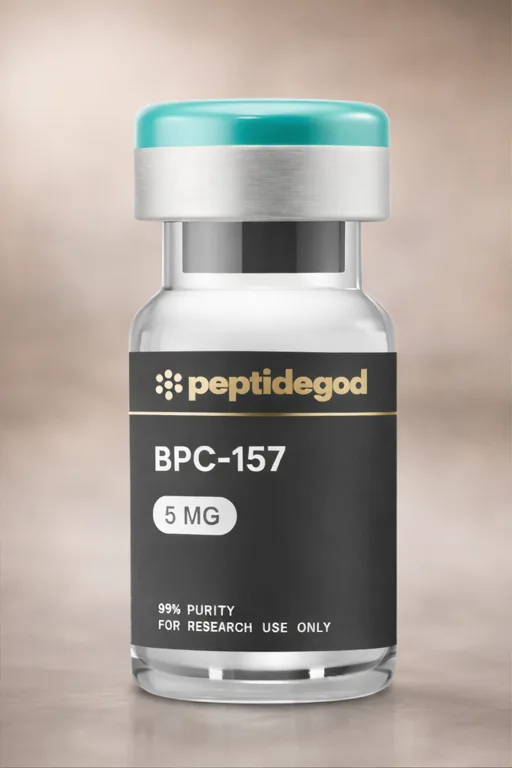
What Is BPC-157?
Overview of BPC-157
BPC-157, short for Body Protection Compound-157, is a synthetic pentadecapeptide composed of 15 amino acids. It is derived from a naturally occurring protective protein found in gastric juice, first isolated from human stomach tissue. Researchers have studied this peptide extensively in preclinical settings due to its apparent ability to accelerate tissue healing and modulate several biological pathways simultaneously. Understanding what is bpc 157 begins with recognizing that it is not a hormone or a steroid, but rather a short peptide chain that appears to interact with growth factor signaling, nitric oxide production, and angiogenesis. Its molecular formula is C62H98N16O22, and it has a molecular weight of approximately 1419 daltons.
Mechanisms of Action
BPC-157 influences healing at a cellular level through several distinct pathways. One of its most studied mechanisms involves the upregulation of growth hormone receptors in tendon fibroblasts. By sensitizing these receptors, the peptide may amplify the tissue-remodeling effects of endogenous growth hormone even without increasing circulating hormone levels. This makes it a subject of interest in musculoskeletal repair research.
The peptide also appears to stimulate the production of nitric oxide, a signaling molecule critical for vasodilation and blood flow regulation. Enhanced local perfusion may explain the accelerated wound closure and reduced inflammation observed in animal models. Additionally, BPC-157 has been shown to interact with the dopaminergic and serotonergic systems in the central nervous system, which has prompted investigators to explore its potential role in neurological and gastrointestinal research contexts.
Angiogenic Effects
Angiogenesis, the formation of new blood vessels, is central to tissue repair. Studies in rodent models suggest BPC-157 promotes angiogenesis by upregulating VEGF (vascular endothelial growth factor) expression and activating the FAK-paxillin pathway, which governs cell migration and adhesion. This vascular response may underlie the peptide's observed effects on muscle, tendon, ligament, and gut tissue healing in preclinical research.
Areas of Preclinical Research
Animal studies have examined BPC-157 across a broad range of tissue types and injury models. The majority of published research originates from the University of Zagreb and covers the following documented areas of investigation:
- Tendon and ligament repair following surgical transection in rat models
- Acceleration of muscle injury recovery, including crush and laceration injuries
- Gastroprotective effects against ethanol-, NSAID-, and stress-induced ulcer formation
- Intestinal anastomosis healing and inflammatory bowel disease models
- Bone fracture healing and cartilage defect repair
- Neuroprotective effects in spinal cord injury and brain lesion models
- Modulation of drug-induced organ toxicity, including liver and kidney damage
In each of these contexts, BPC-157 was administered either systemically via injection or locally via topical application and oral gavage. The peptide demonstrated a notably wide therapeutic window in animal studies, showing efficacy across a broad dosage range without observed signs of toxicity or adverse effects at typical research doses.
Stability and Administration in Research Settings
One property that distinguishes BPC-157 from many other research peptides is its stability in acidic environments. Unlike many peptides that are degraded rapidly in the gastrointestinal tract, BPC-157 retains its activity when exposed to stomach acid, which has led researchers to study it via both oral and parenteral administration routes. In animal models, oral administration has produced systemic effects comparable in some respects to subcutaneous injection, suggesting meaningful bioavailability via the gastrointestinal route. Researchers exploring what is bpc 157 in experimental protocols typically work with lyophilized powder reconstituted in bacteriostatic water for injection-based studies.
Current Research Status and Limitations
As of 2026, BPC-157 remains an investigational compound with no approved clinical use in any major regulatory jurisdiction. All available efficacy data comes from in vitro studies and animal models, primarily rodents. While the volume of preclinical literature is substantial and results have been consistently positive across independent research groups, the absence of randomized controlled human trials means that conclusions about safety, optimal dosing, and therapeutic efficacy in humans cannot yet be drawn.
Researchers and institutions working with BPC-157 do so strictly within laboratory and approved research frameworks. The peptide is not approved by the FDA, EMA, or equivalent bodies as a drug, supplement, or therapeutic agent. Understanding what is bpc 157 from a scientific standpoint means acknowledging both the promising preclinical data and the significant evidentiary gap that separates animal research from validated human medicine. Continued clinical investigation is necessary before any therapeutic applications could be considered established.
 30 capsules.webp)
 60 capsules.webp)