How BPC-157 Works
What Is BPC-157 and Where Does It Come From
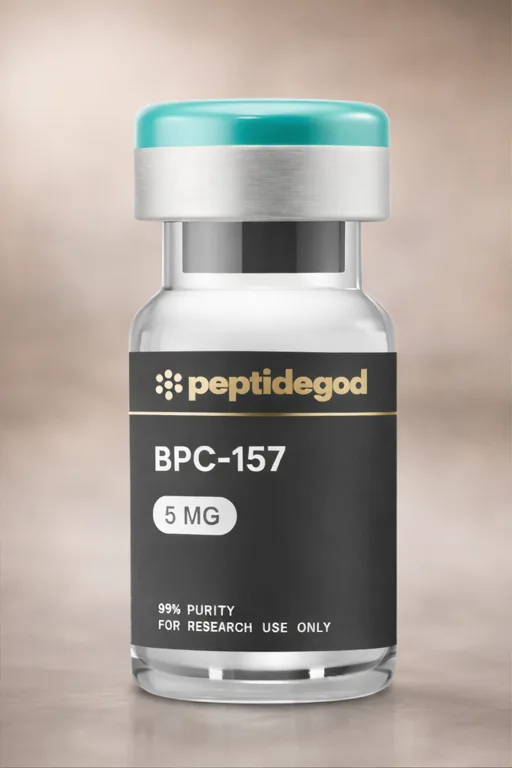
BPC-157, or Body Protection Compound-157, is a synthetic pentadecapeptide composed of 15 amino acids. Its sequence is derived from a naturally occurring protein found in human gastric juice, where it was first isolated by researchers studying protective mechanisms in the stomach lining. Unlike many peptides that degrade quickly in the body, BPC-157 demonstrates unusual stability in the presence of gastric acid, which has made it a subject of sustained interest in tissue repair research.
Understanding what is bpc 157 requires looking at its structural properties. The peptide sequence — Gly-Glu-Pro-Pro-Pro-Gly-Lys-Pro-Ala-Asp-Asp-Ala-Gly-Leu-Val — is not found in its complete form anywhere in the body naturally, but it is considered a partial sequence analog of BPC, the parent protein. This synthetic origin means its pharmacokinetics and mechanisms can be studied independently of the complexity of the full protein.
Angiogenesis and Vascular Remodeling
One of the most consistently reported mechanisms of BPC-157 in preclinical studies is its ability to stimulate angiogenesis — the formation of new blood vessels. Research suggests that BPC-157 upregulates vascular endothelial growth factor (VEGF) expression and promotes the sprouting of capillaries into damaged tissue. This effect is significant because adequate blood supply is a rate-limiting factor in wound healing. Without sufficient vasculature, even otherwise healthy tissue cannot receive the oxygen and nutrients necessary for cellular repair.
Studies in rodent models have shown accelerated formation of granulation tissue in wounds treated with BPC-157, a finding consistent with enhanced angiogenic activity. Researchers have also observed effects on endothelial cell migration and tube formation in vitro, further supporting a direct action on the vascular compartment.
Interaction with Growth Factor Signaling
BPC-157 appears to modulate several growth factor pathways involved in tissue homeostasis. It has been shown to influence the expression of receptors for EGF (epidermal growth factor) and to interact indirectly with the IGF-1 axis. These interactions are thought to contribute to accelerated cell proliferation at injury sites, including fibroblasts, which are the primary cells responsible for laying down collagen during repair.
Separately, research has examined BPC-157's interaction with the nitric oxide (NO) system. Nitric oxide plays a dual role in physiology: at low concentrations it acts as a vasodilator and promotes cell survival signaling, while at high concentrations it can be cytotoxic. Several studies suggest that BPC-157 helps maintain beneficial NO signaling while attenuating toxic NO overproduction in inflammatory environments, which may partly explain its observed protective effects in gut and musculoskeletal tissue models.
Effects on Tendons, Muscles, and Connective Tissue
A significant portion of BPC-157 research has focused on musculoskeletal tissue, particularly tendons and ligaments, which are notoriously slow to heal due to poor blood supply. Animal studies have documented faster recovery of transected Achilles tendons and crushed sciatic nerves in groups administered BPC-157 compared to controls. The proposed mechanism involves upregulation of tendon-specific growth factors and enhanced collagen organization at the repair site.
- Tendon-to-bone healing: studies show improved integration at enthesis sites
- Muscle repair: reduced inflammatory infiltration and faster myofiber regeneration
- Bone healing: some models show improved callus formation in fracture studies
- Nerve repair: peripheral nerve crush and transection models show functional recovery gains
These findings have positioned BPC-157 as a research compound of interest for orthopedic and sports medicine contexts, though all such studies remain preclinical at this stage.
Gastrointestinal Cytoprotection
Given its gastric origin, it is not surprising that some of the earliest and most robust research on BPC-157 concerns the gastrointestinal tract. Animal models of colitis, gastric ulcers, and intestinal fistulas have all shown protective and restorative effects following BPC-157 administration. Researchers have proposed that this cytoprotective activity stems from the peptide's ability to maintain mucosal integrity, reduce inflammatory cytokine expression, and promote rapid re-epithelialization of damaged mucosal surfaces.
For anyone trying to understand what is bpc 157 in practical research terms, the GI data represents the strongest and most replicated body of evidence. The compound consistently reduces ulceration scores in chemically induced gut injury models, often matching or exceeding reference compounds used as controls.
Current Research Status and Limitations
Despite a substantial body of preclinical data, BPC-157 has not yet completed human clinical trials. The mechanisms described above are drawn entirely from in vitro cell studies and animal models, which means extrapolation to human physiology carries inherent uncertainty. Understanding what is bpc 157 from a scientific standpoint means acknowledging both the promise of these findings and the absence of controlled human data that would establish dosing, safety profiles, and true efficacy in people.
Research into BPC-157 remains active, with ongoing interest in its potential across wound healing, neurological protection, and inflammatory conditions. All use of BPC-157 is currently limited to research settings, and it is not approved by regulatory agencies for therapeutic use in humans.
 30 capsules.webp)
 60 capsules.webp)