Common Myths About BPC-157
Introduction: Separating Fact from Fiction
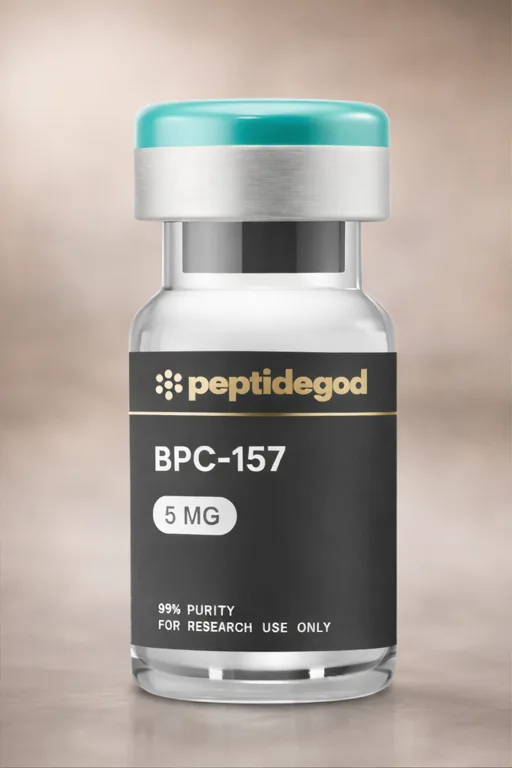
BPC-157, short for Body Protection Compound 157, is a synthetic pentadecapeptide derived from a protein found in gastric juice. Researchers have studied it extensively in animal models for its potential role in tissue healing, gut health, and neurological function. Despite a growing body of preclinical data, a surprising number of myths have developed around this compound. For anyone trying to understand what is bpc 157 and how it actually behaves in research settings, sorting through these misconceptions is essential before drawing any conclusions.
Myth 1: BPC-157 Is a Steroid or Hormonal Compound
One of the most persistent myths is that BPC-157 belongs to the same category as anabolic steroids or that it functions by manipulating hormone levels. This is factually incorrect. BPC-157 is a peptide — a short chain of amino acids — not a steroid. It does not bind to androgen receptors, does not suppress endogenous hormone production, and has no known interaction with the hypothalamic-pituitary-gonadal axis. Animal studies have not demonstrated suppression of testosterone, estrogen, or cortisol following administration. This distinction matters because the safety profile and mechanism of action for peptides are fundamentally different from those of steroidal compounds.
Myth 2: There Are No Scientific Studies on BPC-157
Critics sometimes claim that BPC-157 lacks any scientific backing. In reality, there are hundreds of peer-reviewed studies, primarily conducted in rodent models, documenting its effects on tendon healing, muscle repair, gastric ulcer recovery, inflammatory bowel conditions, and certain neurological markers. Research has been published in journals covering orthopedics, gastroenterology, and neuroscience. The legitimate caveat is that the vast majority of evidence is preclinical, meaning it comes from cell cultures and animal subjects rather than controlled human clinical trials. Understanding what is bpc 157 properly requires acknowledging both the depth of preclinical research and the current absence of large-scale human data.
Myth 3: BPC-157 Works Instantly and Repairs Any Tissue
A common exaggeration circulating in wellness communities is that BPC-157 acts as a universal healing agent producing immediate, dramatic results across any type of tissue injury. Preclinical research does not support this framing. Studies suggest that BPC-157 may accelerate the natural healing process through several proposed mechanisms, including upregulation of growth hormone receptors, promotion of angiogenesis, and modulation of nitric oxide pathways. However, these effects are observed over days and weeks in animal models, not hours. The research is also injury-specific: evidence for tendon and ligament healing is considerably stronger than evidence for bone fractures or cartilage regeneration.
What the Angiogenesis Research Actually Shows
Several studies have highlighted BPC-157's apparent influence on new blood vessel formation, a process called angiogenesis. Improved vascular supply to damaged tissue is one proposed explanation for the accelerated healing observed in rat tendon and muscle injury models. This is a nuanced finding, not evidence of a blanket repair mechanism. The degree of effect depends on injury type, administration route, dosage, and species studied, and should not be generalized beyond the specific models tested.
Myth 4: Oral and Injectable BPC-157 Are Completely Interchangeable
A widespread misconception holds that oral and injectable forms of BPC-157 produce identical systemic effects. Research suggests the picture is more complicated. Oral administration appears particularly relevant in studies involving gastrointestinal tissue, including models of colitis, stomach ulcers, and inflammatory bowel disease, possibly because the peptide acts locally along the gut lining before significant systemic absorption occurs. Injectable administration, whether subcutaneous or intramuscular, is more commonly used in studies examining musculoskeletal healing, where bioavailability near the target tissue may matter more. Treating these two delivery methods as equivalent ignores the route-dependent findings observed across the literature.
Myth 5: BPC-157 Is Approved for Human Therapeutic Use
Perhaps the most consequential myth is the belief that BPC-157 has received regulatory approval for human use. As of current knowledge, BPC-157 is not approved by the FDA, EMA, or equivalent regulatory bodies in most countries for any human indication. It remains a research compound available through peptide suppliers for laboratory and investigational purposes only. One pharmaceutical development program did advance a BPC-157-based compound, PL 14736, into human trials for inflammatory bowel disease, and early-phase results showed tolerability, but this has not translated into a licensed drug. For researchers who want to understand what is bpc 157 in the context of therapeutic potential, the honest answer is that it remains investigational until robust human trial data exists.
Key Points for Researchers
- BPC-157 is a peptide, not a steroid, and does not interact with hormonal axes in studied models
- Substantial preclinical evidence exists, but human clinical trial data remains limited and early-phase
- Healing effects observed in animal models are tissue-specific and time-dependent, not universal
- Oral and injectable administration routes may produce different tissue-level effects based on bioavailability
- The compound is not approved for human therapeutic use by any major regulatory agency
 30 capsules.webp)
 60 capsules.webp)