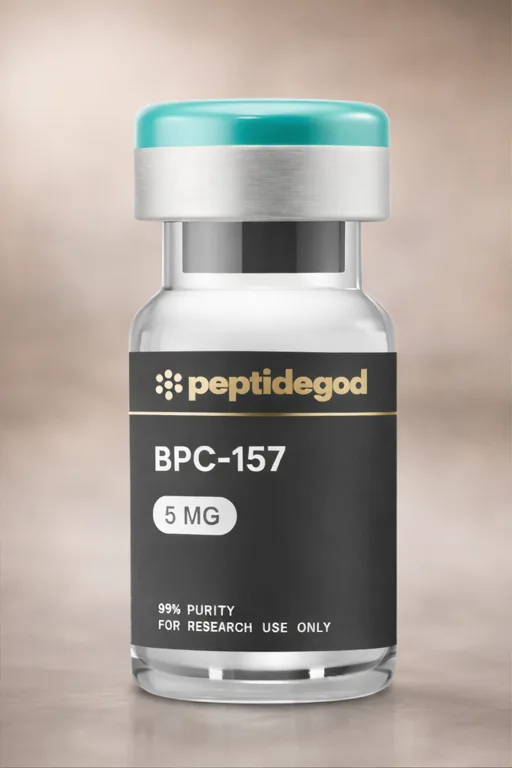
Is BPC-157 FDA Approved?
The Short Answer
BPC-157 is not FDA approved. As of 2026, no pharmaceutical product containing BPC-157 as an active ingredient has completed the full FDA approval process required for prescription or over-the-counter use in humans in the United States. Understanding what is bpc 157 and where it stands regulatorily is essential for researchers, clinicians, and anyone evaluating the current science around this peptide.
What Is BPC-157 and Why Does It Matter?
BPC-157, short for Body Protection Compound-157, is a synthetic pentadecapeptide consisting of 15 amino acids. It is derived from a protective protein found in human gastric juice. Researchers have studied it extensively in animal models for its potential roles in accelerating tendon-to-bone healing, reducing inflammation, supporting gut mucosal integrity, and promoting angiogenesis. Understanding what is bpc 157 at a mechanistic level helps clarify why it has attracted significant preclinical interest despite its lack of regulatory approval.
The peptide has demonstrated activity across multiple biological systems in rodent studies, including the gastrointestinal tract, musculoskeletal tissue, and the central nervous system. These broad effects are tied to its proposed interaction with the nitric oxide system, growth hormone receptors, and several growth factors including VEGF. No large-scale human clinical trials have been completed and published to date, which is the core reason FDA approval remains out of reach.
The FDA Approval Process and Where BPC-157 Stands
FDA approval for a drug requires a defined sequence: preclinical safety data, Investigational New Drug (IND) application, Phase I through Phase III human clinical trials demonstrating safety and efficacy, and finally a New Drug Application (NDA) review. BPC-157 has not advanced through this pipeline in the United States. No IND application for BPC-157 has been publicly listed in FDA databases as of this writing, meaning formal human trials under FDA oversight have not been initiated.
In 2022, the FDA took a significant regulatory step by announcing that BPC-157 cannot be included in compounded medications by licensed compounding pharmacies. This decision placed BPC-157 on the list of substances that present "demonstrable difficulties for compounding" or lack sufficient evidence of safety. This action effectively restricted one of the primary channels through which the peptide had been reaching clinical and research settings in the United States.
Regulatory Status Outside the United States
BPC-157 occupies a similarly unresolved status in most other major jurisdictions. It is not approved by the European Medicines Agency (EMA), Health Canada, or TGA (Australia's Therapeutic Goods Administration) as a licensed pharmaceutical. In some countries it exists in a grey zone where it is neither explicitly approved nor explicitly prohibited for research procurement. This inconsistency across jurisdictions contributes to confusion about its legal and scientific standing.
- United States: Not FDA approved; banned from compounding pharmacy use
- European Union: Not EMA approved; generally not available as a licensed product
- Australia: Not TGA approved; classified as a Schedule 4 substance in some contexts
- Canada: Not Health Canada approved; available in some research-chemical markets
Research Peptide Classification and Intended Use
Because BPC-157 lacks regulatory approval, it is classified as a research peptide or research chemical. This classification means it is legally manufactured and sold for in vitro and animal research purposes only. Suppliers operating within this framework are required to label products as not intended for human consumption. Any human use exists outside the bounds of approved medical practice and carries risk, as human pharmacokinetics, optimal dosing ranges, and long-term safety profiles have not been established through controlled clinical trials.
Researchers studying what is bpc 157 in laboratory settings continue to publish findings in peer-reviewed journals, building a body of preclinical literature. The gap between preclinical animal data and human clinical evidence is significant, and that gap is precisely what the FDA approval process is designed to evaluate and close.
What Would Approval Require?
For BPC-157 to achieve FDA approval, a sponsor would need to fund and complete large-scale human clinical trials demonstrating both safety and efficacy for a specific indication. This process typically takes ten to fifteen years and costs hundreds of millions of dollars. Because BPC-157 is a peptide sequence that cannot be easily patented in its base form, pharmaceutical companies face limited financial incentive to pursue approval, as competitors could potentially produce generic versions immediately after approval. This economic dynamic is one structural reason many research peptides never advance to approved drug status regardless of their preclinical promise.
Until a sponsor completes the full clinical development pathway and receives FDA authorization, BPC-157 remains a substance of scientific interest confined to the research domain. Individuals and institutions working with it should remain current on regulatory updates, as the legal landscape surrounding unapproved peptides continues to evolve.
 30 capsules.webp)
 60 capsules.webp)